


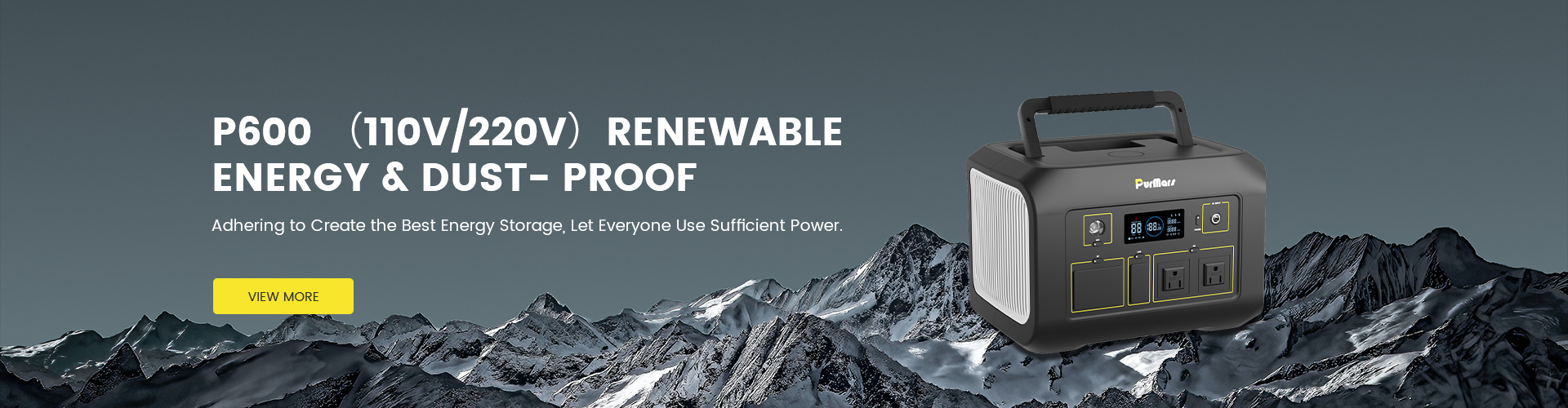
In the context of energy transition, electrochemical energy storage has become a crucial bridge connecting renewable energy with stable electricity demand. From residential outdoor power supplies to grid-scale large-scale energy storage, different technological approaches each have their unique strengths. This article will systematically review the mainstream types of electrochemical energy storage, combining data and case studies to help you understand the overall picture of this field.

I. Lithium-ion Batteries: The Absolute Market Leader
Lithium-ion batteries, with their high energy density, long cycle life, and rapid response capabilities, occupy a core position in the electrochemical energy storage market. Their cost has decreased by more than 80% over the past decade, allowing them to rapidly expand from consumer electronics to power batteries and energy storage systems.
Sub-technical Approaches: Currently, the market is mainly divided into two major technological paths.
Lithium Iron Phosphate (LiFePO₄): Due to its excellent thermal stability and safety, it has become the preferred choice in the energy storage field. It has passed the stringent nail penetration test, achieving a cycle life of over 6000 cycles, and is widely used in home energy storage cabinets (such as the Tesla Powerwall), portable power supplies, and most new energy vehicles.
Ternary lithium batteries: Their advantage lies in higher energy density, providing longer driving range for electric vehicles, but they have extremely high requirements for thermal management and are relatively less used in energy storage.
Application examples: Globally renowned home energy storage products, such as Tesla's Powerwall and many Chinese brand outdoor power supplies (power ranging from 300W to 3000W), mainly use lithium iron phosphate batteries. According to a Bloomberg New Energy Finance report, lithium-ion batteries accounted for over 95% of new energy storage projects globally in 2023.
II. Lead-acid batteries: A mature but traditional solution facing replacement.
Lead-acid batteries are the oldest and most technologically mature rechargeable batteries, with their biggest advantage being low initial cost. However, their disadvantages are also quite obvious: low energy density, bulky size, short cycle life (typically 300-500 cycles), and the lead and sulfuric acid they contain pose environmental pollution risks.
Current applications and trends: Currently, they are mainly used in scenarios where cost and weight are not critical, such as traditional uninterruptible power supplies (UPS), electric forklifts, and older off-grid energy storage systems. As lithium battery costs decline and environmental requirements tighten, lead-acid batteries are seeing their market share in energy storage gradually eroded by lithium-ion batteries, undergoing a process of gradual phase-out.
III. Emerging Battery Technologies: Diversified Reserves for the Future
In addition to the mainstream technologies mentioned above, a series of emerging battery technologies are under research and demonstration, aiming to address specific bottlenecks related to resources, cost, or safety.
Sodium-ion Batteries:
Core Advantages: Sodium resources are abundant in the Earth's crust, and their price is far lower than lithium, offering significant cost potential. Their working principle is similar to lithium batteries, and production lines can be quickly converted.
Current Status and Challenges: Currently, their energy density is generally lower than that of lithium iron phosphate batteries, but it is sufficient for stationary energy storage scenarios with low energy density requirements. In 2023, CATL released its first-generation sodium-ion battery and began applying it to two-wheeled vehicles and energy storage demonstration projects, marking the initial stage of its industrialization.
Flow Batteries:
Unique Principle: Energy is stored in an external electrolyte tank. Power and capacity can be independently designed, offering advantages such as ultra-long cycle life (up to tens of thousands of cycles) and intrinsic safety.
Application Positioning:Its drawbacks include system complexity, large size, and low energy density. Therefore, it is almost exclusively designed for large-scale, long-term energy storage (over 4 hours) on the grid or generation side, used to smooth renewable energy generation and participate in grid peak shaving. The Dalian flow battery energy storage peak shaving power station in China is a representative example of a megawatt-scale project.
Solid-State Batteries:
Technology Outlook: This is considered the direction of next-generation battery technology. It uses solid electrolytes instead of liquid electrolytes, potentially solving both safety (completely eliminating the risk of combustion and explosion) and energy density challenges simultaneously.
Current Stage:This technology is still in the early stages of transitioning from laboratory to industrialization, facing scientific challenges such as solid electrolyte materials and interfacial impedance. Companies like Toyota and QuantumScape are investing heavily in R&D, and it is expected to be first applied to high-end electric vehicles around 2030, before penetrating the energy storage field in the future.
Summary and Outlook:In summary, the technology landscape of electrochemical energy storage presents a clear tiered structure. Lithium-ion batteries, especially the lithium iron phosphate route, are the optimal solution and the absolute mainstay for current and medium-term market applications. The market for lead-acid batteries will continue to shrink due to their inherent limitations. Meanwhile, emerging technologies such as sodium-ion, flow, and solid-state batteries represent diversified possibilities for the future. They will complement or even revolutionize the existing landscape in different dimensions, including resource sustainability, long-term energy storage, and ultimate safety. For investors and users, understanding the characteristics and maturity of these technologies is the first step in making informed decisions.

